Kombucha vs. Kefir for Gut Health: Which One Actually Does More?
Quick Answer: Kefir generally contains a higher diversity and quantity of live probiotic strains than kombucha, since it’s fermented from dairy or a dairy-alternative base with a specific, dense culture (kefir grains), while kombucha’s fermentation produces a smaller, less diverse bacterial and yeast content alongside beneficial acids and antioxidants from the tea itself — meaning kefir is generally the stronger choice specifically for probiotic diversity, while kombucha offers a different set of benefits tied to its tea-based antioxidant content.
The two aren’t really interchangeable once you look past the shared ‘fermented’ label.


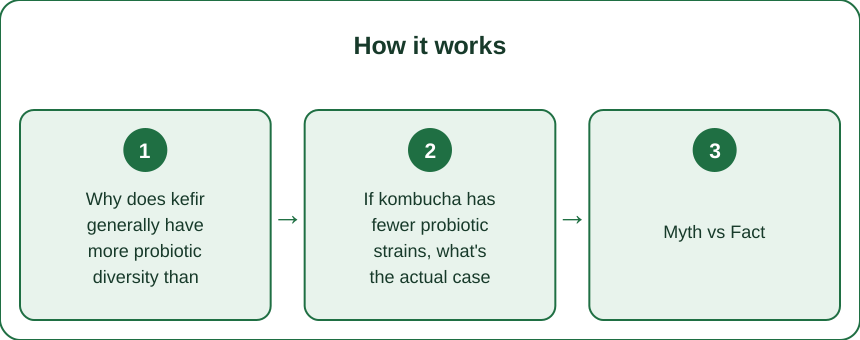
Why does kefir generally have more probiotic diversity than kombucha?
Kefir grains are a dense, symbiotic culture containing dozens of distinct bacterial and yeast strains, fermenting a dairy or dairy-alternative base into a product with a genuinely high and diverse live-culture count, considerably more varied than the more limited bacterial-yeast culture (SCOBY) that ferments kombucha’s tea base.
This is the core reason kefir is generally recommended more strongly specifically for probiotic diversity goals, while kombucha’s fermentation process, though also live-culture-producing, yields a narrower range of strains in most commercial products.
If kombucha has fewer probiotic strains, what’s the actual case for drinking it?
Kombucha’s fermentation of tea produces beneficial organic acids and retains some of the antioxidant compounds from the original tea leaves, offering a different, tea-derived benefit profile rather than competing directly with kefir on probiotic diversity.
Some people also simply tolerate kombucha’s carbonated, less dairy-heavy profile better than kefir, especially anyone avoiding dairy specifically, making kombucha a reasonable choice based on preference and tolerance rather than it being a probiotic-diversity substitute for kefir.

Myth vs Fact: Kombucha and Kefir
Myth: Kombucha and kefir provide essentially the same gut health benefit. Fact: Kefir generally offers meaningfully higher probiotic diversity; kombucha offers a different, tea-derived benefit profile.
Myth: Store-bought versions of either always contain a meaningful live culture count. Fact: Pasteurization in some commercial products can significantly reduce live culture content, so checking for ‘contains live cultures’ labeling matters.
Myth: More expensive brands always have higher probiotic counts. Fact: Price doesn’t reliably correlate with live culture count; checking specific labeling is more reliable than price.
Is there a reason to drink both rather than choosing just one?
Since they offer genuinely different benefit profiles — kefir’s probiotic diversity versus kombucha’s tea-derived acids and antioxidants — including both in a varied diet provides broader coverage than relying on either alone, similar to how eating a variety of vegetables provides broader nutritional coverage than relying on just one.
For someone with a specific single goal (maximizing probiotic diversity specifically, for example), prioritizing kefir over kombucha is the more evidence-aligned choice, while someone simply seeking variety or better personal tolerance might reasonably include both.
FAQ: Kombucha and Kefir Questions, Answered
Is dairy-free kefir just as good for gut health as dairy-based kefir?
Dairy-free kefir made with actual kefir grains (rather than just flavored to taste similar) can still provide meaningful probiotic content, though the specific strain profile can differ somewhat from dairy-based kefir.
Does the sugar content in kombucha or flavored kefir cancel out the gut health benefit?
High added sugar content doesn’t directly cancel probiotic benefit, but it does add unnecessary calories and sugar intake, making unsweetened or lower-sugar options generally the better everyday choice.
Can drinking too much kombucha or kefir cause digestive issues?
Yes — introducing either in large quantities suddenly can cause temporary bloating or digestive adjustment in some people; starting with a smaller serving and gradually increasing is commonly recommended.
TL;DR:
- Kefir generally provides meaningfully higher and more diverse live probiotic content than kombucha
- Kombucha offers a different benefit profile tied to fermented tea’s acids and antioxidants
- Checking for ‘live cultures’ labeling matters more than price when choosing a specific product
- Including both in a varied diet provides broader coverage than relying on either alone
They’re both worth having in the fridge — just not for exactly the same reason. This is general information, not medical advice.
Keep Reading
This article is for general informational purposes only and is not medical advice. Always consult a qualified health professional for guidance specific to you.