Gut Health Beyond the Probiotic Aisle: What Actually Feeds a Microbiome
Gut health got compressed into a capsule aisle — while the research keeps pointing at the plate: microbial diversity fed by plant variety, live ferments and the colorful compounds capsules can’t bottle. The beyond-the-aisle guide to actually feeding a microbiome.

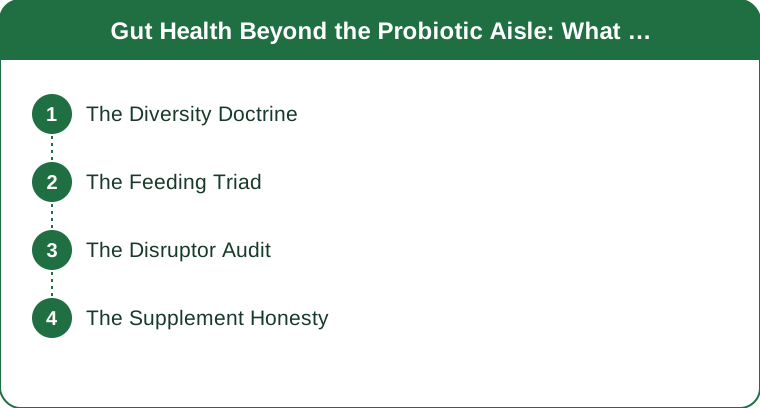
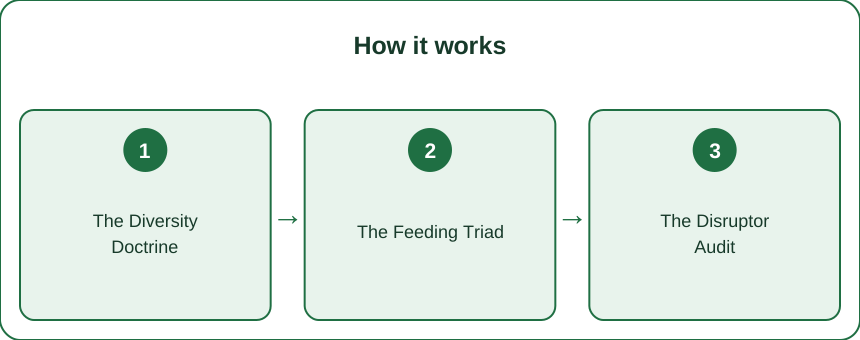
The Diversity Doctrine
The research’s central finding: microbiome DIVERSITY tracks with health outcomes (the richer the microbial ecosystem, the better the associations across metabolic, immune and even mood research — diversity is the metric that matters), the plant-variety driver (the landmark population studies found plant variety — the famous 30-ish different plants weekly — predicting diversity better than diet labels; the vegetarian eating five plants loses to the omnivore eating thirty), and the counting trick (every distinct plant counts — the herbs, the seeds, the three lettuces in the mix; the weekly plant tally gamifies what the supplement aisle complicates; most people count twelve and can reach twenty-five within a month of noticing).
The Feeding Triad
What the ecosystem eats: fiber first (the microbiome’s staple crop — the fiber chapter’s beans-oats-vegetables list is literally microbe groceries; the short-chain fatty acids they produce from it are the health mechanism the research keeps mapping), ferments second (the live-culture tier — the Stanford fermented-food trial’s diversity findings gave kimchi-and-yogurt real receipts; the daily-serving habit from the ferment guide), and polyphenols third (the colorful plant compounds — berries, olive oil, coffee, dark chocolate, herbs — that microbes transform and thrive on; the eat-the-rainbow instruction was microbiome advice before anyone knew it), plus the diversity multiplier (the triad ROTATED — new plants, different ferments — beats the same healthy plate repeated; the ecosystem rewards novelty).

The Disruptor Audit
What starves the system: the ultra-processed pattern (the fiber-stripped, emulsifier-heavy diet is the diversity-killer the research flags most — the occasional treat is noise; the default pattern is the signal), the unnecessary-antibiotics honesty (life-saving when needed, ecosystem-flattening always — the take-as-prescribed-and-refeed-after protocol; the ferments-and-fiber weeks following a course are rebuilding season), the chronic-stress-and-sleep wing (the gut-brain axis runs both directions — the cortisol chapters are gut chapters too), and the extreme-diet caution (the long-term ultra-restrictive patterns — no-carb, no-plant — starve the fiber-eating majority of the ecosystem; whatever the goal, the microbiome bills eventually).
The Supplement Honesty
The capsule aisle, fairly sized: probiotics are specific tools, not general fertilizer (the evidence supports particular strains for particular situations — the post-antibiotic and specific-condition uses; the generic daily probiotic in a healthy eater shows underwhelming results — the transient visitors rarely colonize), the prebiotic-supplement middle (the fiber-in-a-powder tier works but loses to food’s package deal), the test-kit skepticism (the direct-to-consumer microbiome tests describe more than they prescribe — the science of individualized recommendations is younger than the marketing), and the verdict hierarchy (thirty plants, daily ferments, colorful compounds, guarded sleep — the protocol that outperforms any capsule; the aisle is a supplement to the plate, and mostly an unnecessary one). Feed the ecosystem; skip the shortcuts.
Count thirty plants weekly, ferment daily, color the plate, capsules are situational. Gut health is a feeding program, not a supplement — diversity in, diversity out.
Keep Reading
This article is for general informational purposes only and is not medical advice. Always consult a qualified health professional for guidance specific to you.