Fermented Foods vs. Probiotic Supplements: Which Actually Does More for Gut Health?
Fermented foods and probiotic supplements both get filed under the same general ‘good for gut health’ category, which obscures a real and useful distinction between what each one actually delivers. They’re not simply two different delivery methods for the identical benefit. Here is why the two approaches deliver genuinely different things despite the shared ‘probiotic’ label, what the research actually says about their relative benefits, and how to decide which one, or both, fits your actual goal.

Why the Two Approaches Deliver Genuinely Different Things
The real distinction: the the-fermented-foods-contain-a-diverse-and-often-unspecified-mix-of-live-microorganisms-alongside-nutrients (the traditional fermented foods generally containing a broad, variable mix of bacterial and sometimes yeast strains, often not precisely quantified or standardized, alongside the food’s own nutrient content from the fermented-foods-beginner-guide logic — the fermented-foods-deliver-a-broad-variable-microbial-mix-alongside-real-nutritional-content-not-a-single-precise-standardized-dose), the the-probiotic-supplements-typically-deliver-a-specific-quantified-strain-or-small-set-of-strains-at-a-known-dose (the commercial probiotic supplements generally formulated around specific, named strains at a stated colony-forming-unit count, a fundamentally different delivery model than a fermented food’s broad natural mix — the supplements-deliver-a-precise-known-quantity-of-specific-named-strains-which-is-a-fundamentally-different-model-than-a-foods-natural-broad-mix), the the-fermentation-also-changes-the-nutritional-profile-of-the-underlying-food-itself-independent-of-the-microbial-content (the fermentation process itself altering nutrient availability, producing beneficial compounds, and sometimes improving digestibility of the base food, a benefit entirely separate from the live microorganism question — the fermentations-effect-on-the-underlying-foods-nutritional-profile-is-a-real-and-entirely-separate-benefit-from-the-live-microbe-question), the the-strain-specificity-matters-a-lot-for-whether-a-particular-supplement-is-relevant-to-a-particular-health-goal (the research on probiotic supplements generally being strain-specific, meaning a supplement studied for one particular outcome doesn’t necessarily generalize to a different strain or a different goal — the strain-specific-research-findings-dont-necessarily-generalize-across-different-strains-or-different-health-goals), the the-the-shared-probiotic-label-obscures-that-these-are-two-meaningfully-different-product-and-food-categories-rather-than-interchangeable-options (the common umbrella terminology creating a false sense that the two categories are simply interchangeable delivery formats for an identical benefit — the the-shared-umbrella-terminology-creates-a-false-sense-of-interchangeability-between-two-actually-quite-different-categories), and the reframe (the two approaches as delivering genuinely different things — a broad variable microbial mix plus real food nutrition from fermented foods, versus a precise known-quantity specific-strain dose from supplements — not two interchangeable versions of the same intervention)).

What the Research Actually Says About Their Relative Benefits
The evidence picture: the the-research-on-fermented-food-consumption-generally-shows-associations-with-broad-gut-microbiome-diversity-benefits (the population and intervention research on regular fermented food consumption generally finding associations with greater gut microbiome diversity, a broadly positive but somewhat general finding from the gut-health-beyond-probiotics-blog logic — the the-fermented-food-research-picture-generally-points-toward-broad-microbiome-diversity-benefits-rather-than-one-narrow-specific-effect), the the-probiotic-supplement-research-shows-more-specific-targeted-benefit-for-particular-strains-and-particular-conditions-where-studied (the well-studied specific probiotic strains showing more precisely targeted evidence for specific conditions in the research where that particular strain was actually tested — the supplement-research-tends-to-show-more-narrowly-targeted-evidence-for-specific-strains-and-specific-conditions-where-that-exact-strain-was-actually-studied), the the-neither-category-shows-strong-evidence-for-the-most-sweeping-general-health-claims-sometimes-attached-to-either (the both categories having their most dramatic marketed claims outpacing what the more measured underlying research actually supports, similar to a pattern seen across several wellness categories — the both-categories-have-more-dramatic-marketed-claims-than-the-underlying-more-measured-research-actually-supports), the the-fermented-foods-also-deliver-real-and-well-established-nutritional-benefits-independent-of-any-live-microbe-effect-that-supplements-simply-dont-provide (the actual food nutrition — fiber, vitamins, altered nutrient availability from fermentation — being a real benefit unique to whole fermented foods that a supplement, by definition, doesn’t replicate — the the-actual-food-nutrition-benefit-is-real-and-entirely-unique-to-whole-fermented-foods-in-a-way-a-supplement-simply-cannot-replicate), the the-supplement-quality-and-viability-varies-significantly-between-products-adding-a-real-practical-variable-to-the-supplement-side-of-the-comparison (the actual live organism viability and dosing accuracy varying considerably across commercial supplement products, adding a real practical quality-control variable that doesn’t have an exact equivalent on the fermented-food side — the supplement-viability-and-dosing-accuracy-varies-significantly-across-products-which-is-a-real-and-somewhat-unique-quality-control-variable-on-that-side-of-the-comparison), and the frame (the research picture as fermented foods generally supporting broader microbiome diversity plus real independent food nutrition, supplements offering more narrowly targeted evidence for specific well-studied strains and conditions, neither supporting the most sweeping marketed claims, and supplement quality varying considerably as its own practical consideration).
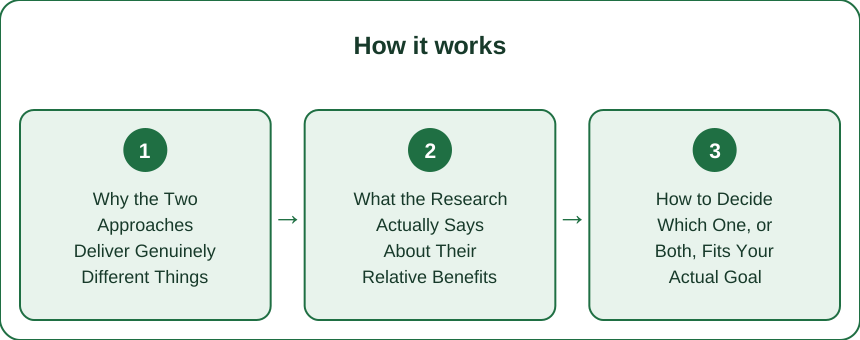
How to Decide Which One, or Both, Fits Your Actual Goal
The practical decision framework: the choose-fermented-foods-as-the-default-general-approach-for-broad-everyday-gut-health-support (the regular fermented food consumption serving as a reasonable general-purpose approach for broad support, given its combination of microbial diversity and real independent food nutrition — the fermented-foods-are-a-reasonable-default-general-purpose-choice-for-broad-everyday-support-given-the-combined-microbial-and-nutritional-benefit), the the-choose-a-specific-well-studied-probiotic-strain-supplement-when-targeting-a-particular-documented-condition-or-outcome (the selecting a supplement specifically when a particular strain has real documented evidence for a specific relevant condition, rather than a generic ‘probiotic’ purchase for a vague general goal — the choosing-a-supplement-specifically-when-a-particular-strain-has-real-documented-evidence-for-your-specific-relevant-condition-is-the-more-targeted-and-evidence-aligned-use-case), the the-consider-both-together-as-complementary-rather-than-competing-approaches-if-pursuing-a-specific-goal-alongside-general-support (the using fermented foods for general ongoing support while adding a targeted supplement for a specific documented need, rather than treating the choice as strictly either-or — the treating-the-two-as-complementary-layered-approaches-rather-than-a-strict-either-or-choice-makes-sense-for-many-actual-real-world-goals), the the-if-choosing-supplements-check-for-specific-named-strains-and-a-stated-cfu-count-rather-than-a-vague-general-probiotic-label (the prioritizing supplement products that specify exact strains and dosing, given the strain-specific nature of the actual supporting research — the prioritizing-specific-named-strains-and-a-stated-dose-over-a-vague-general-label-matters-given-how-strain-specific-the-actual-supporting-research-is), the the-if-choosing-fermented-foods-prioritize-variety-across-different-types-rather-than-relying-on-just-one-single-fermented-item (the eating a genuine variety of different fermented foods — not just one repeated item — to capture a broader range of the diversity benefit the research generally points toward from the health-benefits-of-fermented-foods-guide logic — the eating-genuine-variety-across-different-fermented-foods-rather-than-relying-on-just-one-repeated-item-better-captures-the-broader-diversity-benefit-the-research-points-toward), and the frame (the decision framework as fermented foods as a reasonable general default, targeted supplements for specific well-documented needs, both used together as complementary rather than competing approaches, specific named strains and dosing prioritized when choosing a supplement, and genuine variety prioritized when choosing fermented foods — matching the actual choice to the actual specific goal rather than treating either category as a universal one-size-fits-all answer).
Fermented foods and probiotic supplements deliver genuinely different things despite sharing the same general ‘probiotic’ label — fermented foods contain a broad, variable, often unquantified mix of microorganisms alongside the real nutritional benefit of the underlying food itself, while supplements deliver a precise, known quantity of specific named strains, and research findings for one particular strain don’t necessarily generalize to others. The research generally shows fermented foods supporting broader gut microbiome diversity along with real independent nutritional benefits, while probiotic supplements offer more narrowly targeted evidence specifically for well-studied strains and documented conditions — and neither category supports the most sweeping general health claims sometimes attached to either. Choose fermented foods as a reasonable general-purpose default for broad everyday support, reach for a specific well-studied strain supplement when targeting a particular documented condition, and consider using both together as complementary approaches rather than a strict either-or choice — prioritizing named strains and stated dosing when choosing a supplement, and genuine variety across different fermented foods rather than relying on just one repeated item.
Keep Reading
This article is for general informational purposes only and is not medical advice. Always consult a qualified health professional for guidance specific to you.